
From Plunder to Production: The Difference Between Building Wealth and Redistributing It.

For most of human history, wealth was not created—it was taken.
Before the rise of free-market capitalism, the primary paths to wealth were inheritance, conquest, plunder, theft, political privilege, and control of land. Kings inherited kingdoms. Nobles inherited titles. Armies conquered territories. Wealth flowed to those who possessed power rather than those who produced value.
A farmer could work from sunrise to sunset and never become wealthy. A craftsman could create remarkable products and remain poor. Economic mobility was limited because opportunity itself was limited. Then something remarkable happened. The spread of capitalism changed the equation.
For perhaps the first time in history, ordinary people gained the ability to build wealth through voluntary exchange. A person could learn a skill, start a business, invent a product, provide a service, satisfy customer demand, and improve their financial condition without inheriting a fortune or conquering a nation. The entrepreneur became more powerful than the aristocrat. The inventor became more valuable than the conqueror. The customer became king.
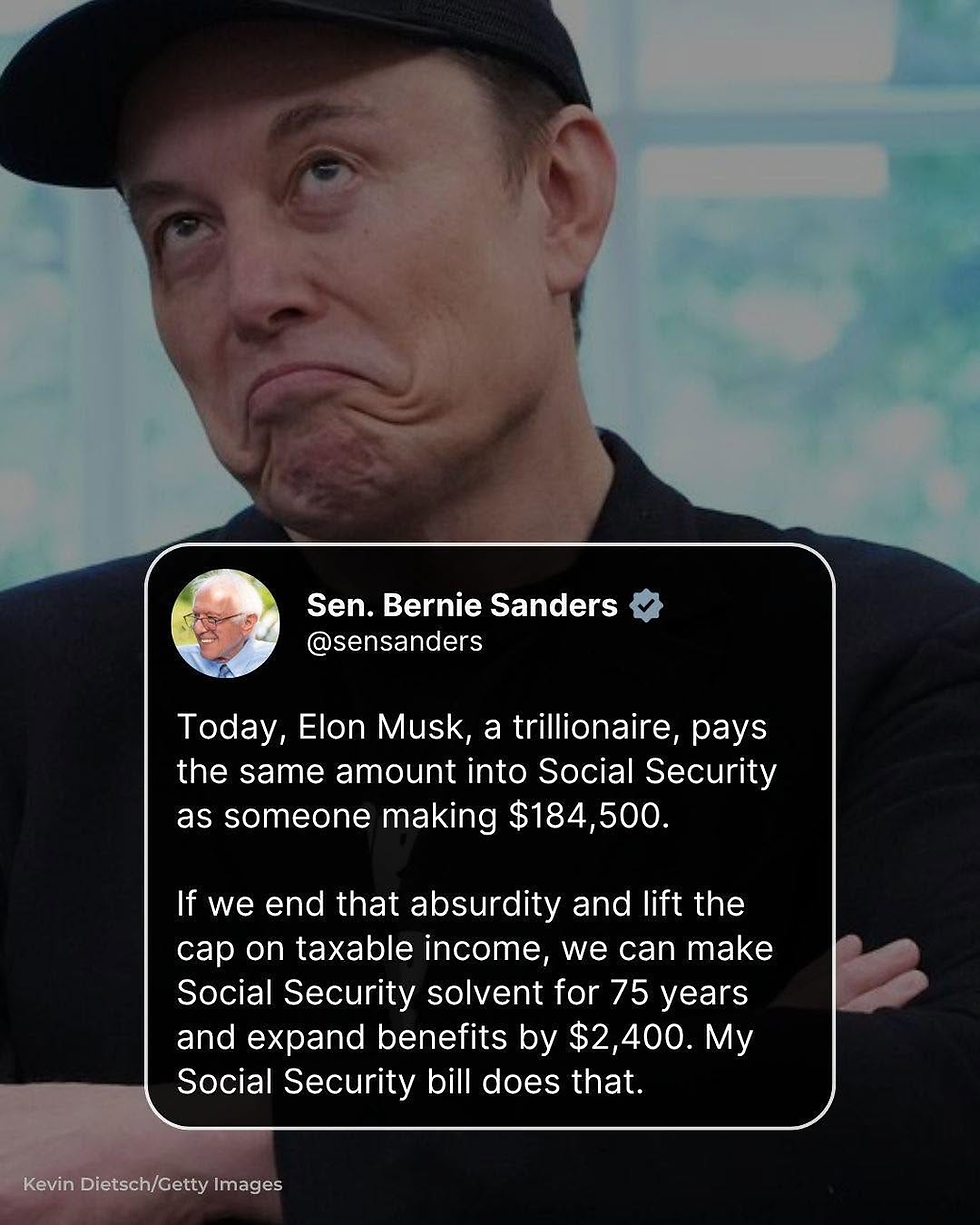
The greatest fortunes of the modern era were largely created by solving problems. Henry Ford made transportation affordable. Steve Jobs transformed personal technology. Elon Musk accelerated electric vehicles and private space exploration. Millions of small business owners create value every day by serving customers in their communities.
Their wealth did not come from taking. It came from producing. This raises an important question. If someone believes a particular cause deserves more funding, why not create wealth and voluntarily support that cause? Why not start a business? Why not develop a product? Why not provide a service that customers willingly purchase? Why not donate the profits to the charities, programs, or social initiatives that align with those beliefs?
Throughout history, many philanthropists have done exactly that. They first created value and then used their resources to support hospitals, schools, medical research, disaster relief, scholarships, and community programs. By contrast, some political philosophies focus less on creating new wealth and more on redistributing existing wealth through taxation. Supporters view this as social justice. Critics view it differently.
Critics argue that excessive taxation can resemble a modern form of plunder—transferring resources from those who produce to those who control the mechanisms of government. They contend that every dollar collected in taxes originated from someone's labor, risk, investment, innovation, or entrepreneurship.
The debate is not whether the government should exist. A functioning society requires courts, infrastructure, public safety, and national defense. The debate is where the balance should be found. How much should the government take? How much should individuals keep? How much innovation is encouraged when success is rewarded? How much is discouraged when success is penalized? These are questions every generation must answer.
Capitalism is not perfect. No economic system created by human beings is perfect. But history demonstrates that free people, operating in relatively free markets, have generated unprecedented prosperity, technological advancement, and opportunities for ordinary citizens.
The lesson may be simple: If you want to change the world, create value. If you want to help others, build something useful. If you want to support a cause, produce more than you consume and give generously. The path to a stronger society is not merely redistributing wealth. It is creating more wealth, more opportunity, and more prosperity for everyone. As the old saying goes, you cannot divide what has never been created. Production must come before distribution.


Comments